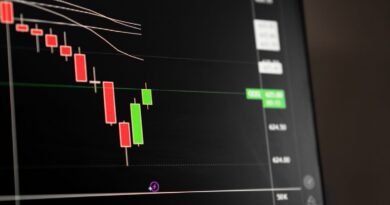
Dogecoin Dragged Lower by Outflows With Technicals Flagging Bearish Continuation
Dogecoin experienced a 4% drop in the 24-hour period ending August 3rd, 04:00 UTC+7, falling from $0.20 to a low of $0.19. This decline occurred amidst heightened trading activity and prevailing macroeconomic headwinds. The price fluctuated within a $0.01 range (7.14%), reaching a high of $0.203 and a low of $0.188 before settling at $0.195. Trading volume significantly spiked, exceeding the 24-hour average, indicating substantial market activity.
This volatility coincided with a deterioration in global risk sentiment, triggered by renewed trade tensions following the expiry of a reciprocal tariff framework. The resulting uncertainty, affecting 92 countries, increased trade barriers. Furthermore, the Federal Reserve’s decision to hold interest rates steady, while monitoring trade data, lessened the likelihood of a September rate cut. This negatively impacted high-beta assets like Dogecoin.
Technical analysis reveals significant resistance at the $0.202–$0.203 price zone, repeatedly rejecting upward price movements. Conversely, the $0.188–$0.190 range absorbed peak selling pressure, with high volume suggesting potential accumulation or bottom-fishing activity. The final hour of trading showed a small decrease from $0.196 to $0.195, with intra-candle resistance at $0.1963 and support near $0.1952. Although volume normalized towards the end of the session, it remained above average, hinting at the possibility of continued price fluctuations.
Key factors to watch include whether Dogecoin can maintain support around $0.19 or experience further declines alongside broader altcoin weakness. Macroeconomic factors, such as the trajectory of US interest rates, evolving global trade policies, and shifts in liquidity away from meme-based cryptocurrencies, will significantly influence Dogecoin’s price. The interplay between these factors will determine the short-term outlook for the cryptocurrency.