
Browsing Category
Blog
Share:

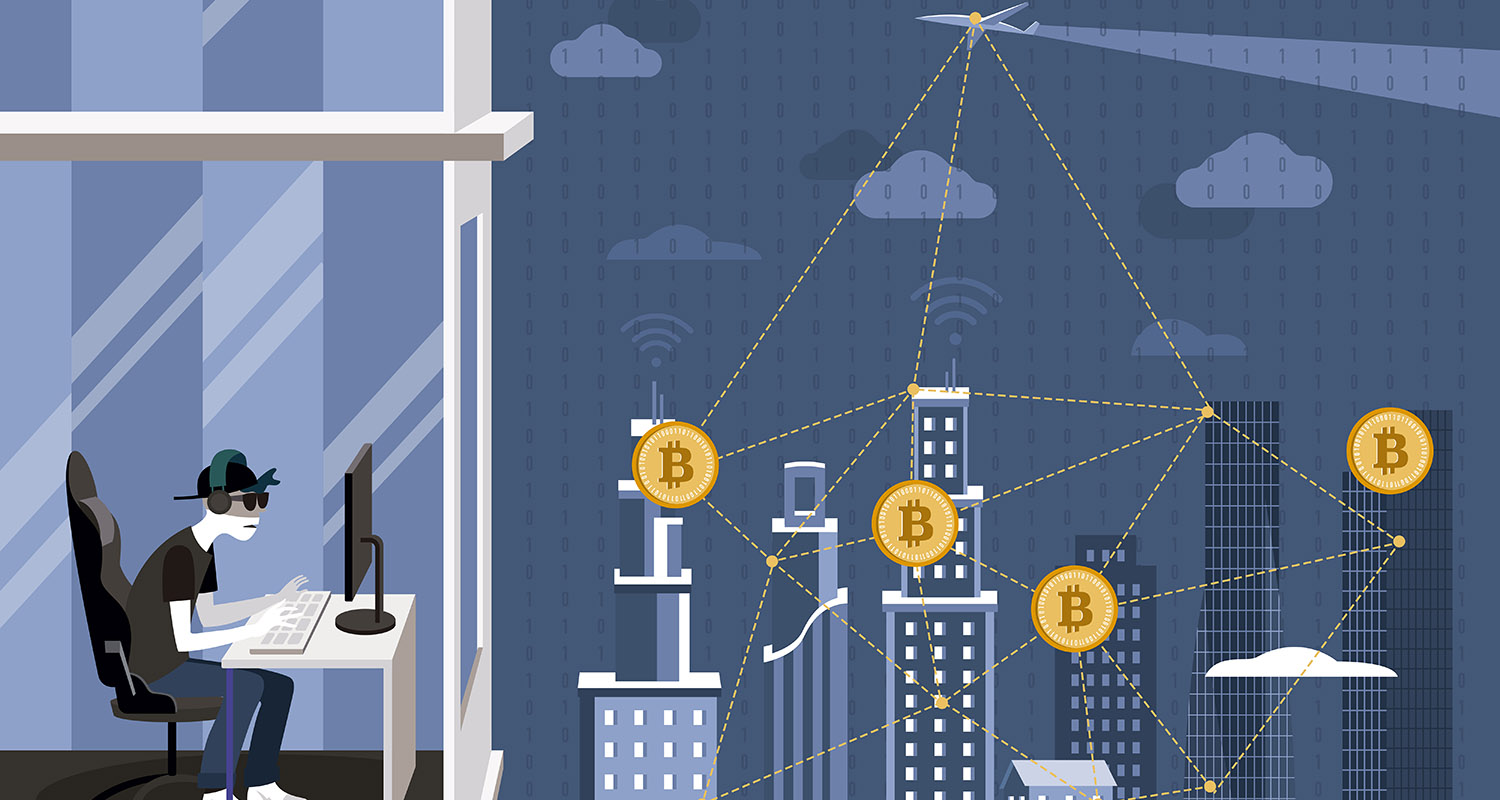
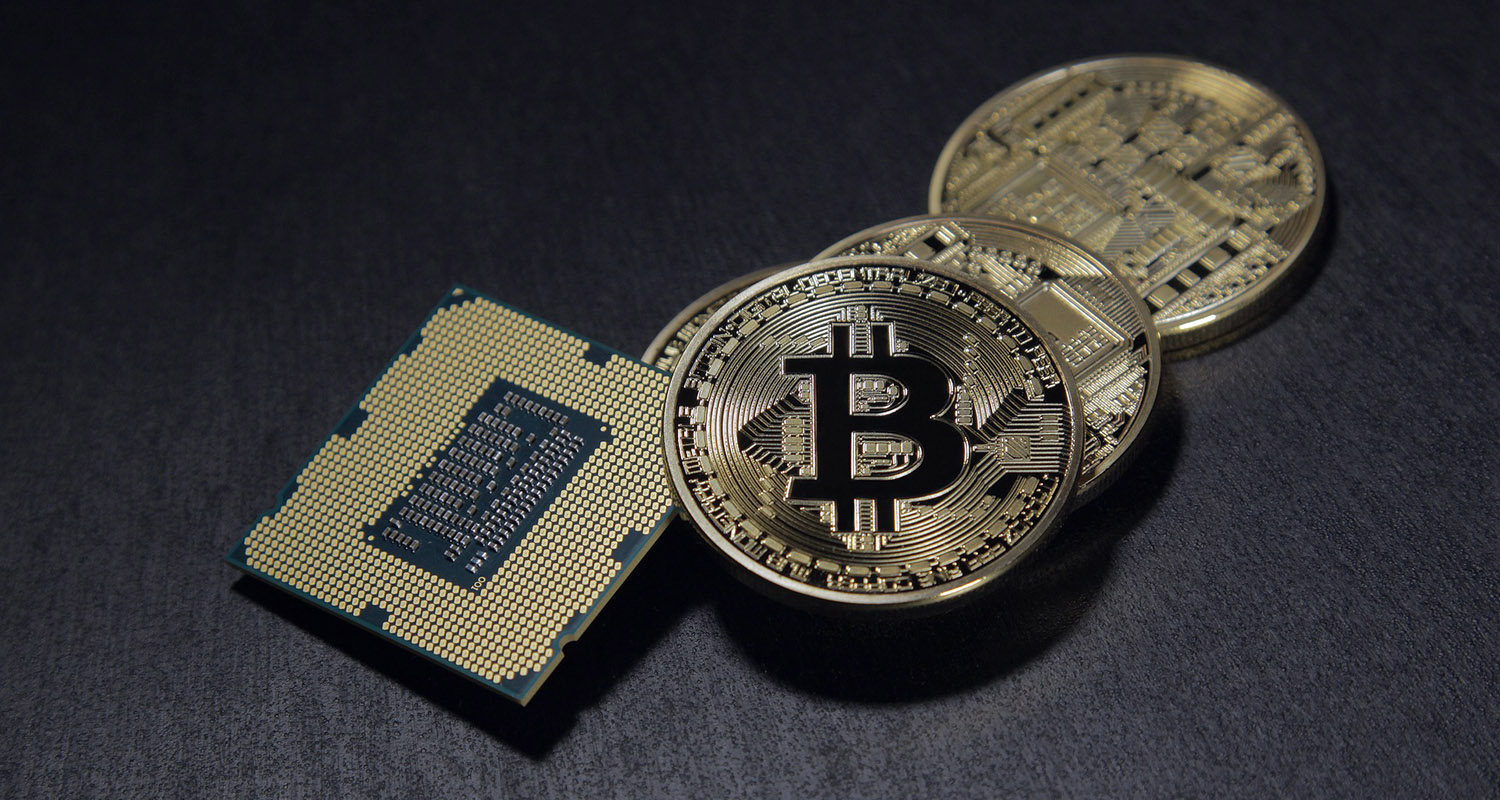
Malaysia’s fight against electricity theft linked to cryptocurrency mining has intensified, revealing a dramatic surge in illegal activity. Between 2018 and the end of 2024, reported cases skyrocketed by a staggering 300%, reaching 2,397 incidents from an initial 610. This alarming increase is primarily attributed to the growing prevalence of illicit cryptocurrency mining operations.

The surge in detected cases is a direct result of collaborative efforts between Tenaga Nasional Berhad (TNB), Malaysia’s largest electricity utility, the Energy Commission, and the police force. Joint operations and nationwide raids have effectively dismantled numerous illegal mining setups, bringing these criminal activities to light. The energy-intensive nature of cryptocurrency mining, particularly for proof-of-work blockchains like Bitcoin, creates a strong incentive for illegal miners to bypass electricity costs. By stealing power, these individuals aim to maximize profits from newly mined tokens without incurring legitimate energy expenses.

A significant portion of the increase occurred after 2020. From 2020 to 2024, an average of 2,303 crypto-related electricity theft cases were reported annually, underscoring the persistent challenge faced by authorities. This increase is not solely due to heightened enforcement; public awareness campaigns have also played a crucial role. More Malaysians are now reporting suspected illicit mining activities, contributing to the rising number of reported cases.

While cryptocurrency mining itself is not prohibited in Malaysia, tampering with electrical installations carries severe penalties. Individuals found guilty face substantial fines of up to 1 million ringgit (approximately $232,720.50) and potential imprisonment for up to 10 years. The significant increase in detected cases highlights the escalating need for stronger deterrents and continuous collaborative efforts to combat this growing threat to Malaysia’s energy infrastructure and financial stability. The situation underscores the complex relationship between technological advancements, economic incentives, and the challenges of law enforcement in a rapidly evolving digital landscape.
Share:
Mining cryptocoins is an arms race that rewards early adopters. You might have heard of Bitcoin, the first decentralized cryptocurrency that was released in early 2009. Similar digital currencies have crept into the worldwide market since then, including a spin-off from Bitcoin called Bitcoin Cash. You can get in on the cryptocurrency rush if you take the time to learn the basics properly.

Hover Shortcodes

You can use great shortcodes for comparison between: 

Bitcoins and Dollars
. Or 
Litecoins and Dollars
. All can be used in posts and pages in numerous ways. You can use many other cryptocurrencies and normal currencies for
comparison
. You absolutely need a strong appetite for reading and constant learning, as there are ongoing technology changes and new techniques for optimizing coin mining results.

Which Alt-Coins Should Be Mined?

If you had started mining Bitcoins back in 2009, you could have earned thousands of dollars by now. At the same time, there are plenty of ways you could have lost money, too. Bitcoins are not a good choice for beginning miners who work on a small scale. The current up-front investment and maintenance costs, not to mention the sheer mathematical difficulty of the process, just doesn’t make it profitable for consumer-level hardware. Now, Bitcoin mining is reserved for large-scale operations only.

As a second income, no, cryptocoin mining is not a reliable way to make substantial money for most. The profit from mining cryptocoins only becomes significant when someone is willing to invest $3000-$5000 in up-front, at which time you could potentially earn $50 per day or more.

How Cryptocoin Mining Works

Let’s focus on mining ‘scrypt’ coins, namely Litecoins, Dogecoins, or Feathercoins. The whole focus of mining is to accomplish three things:

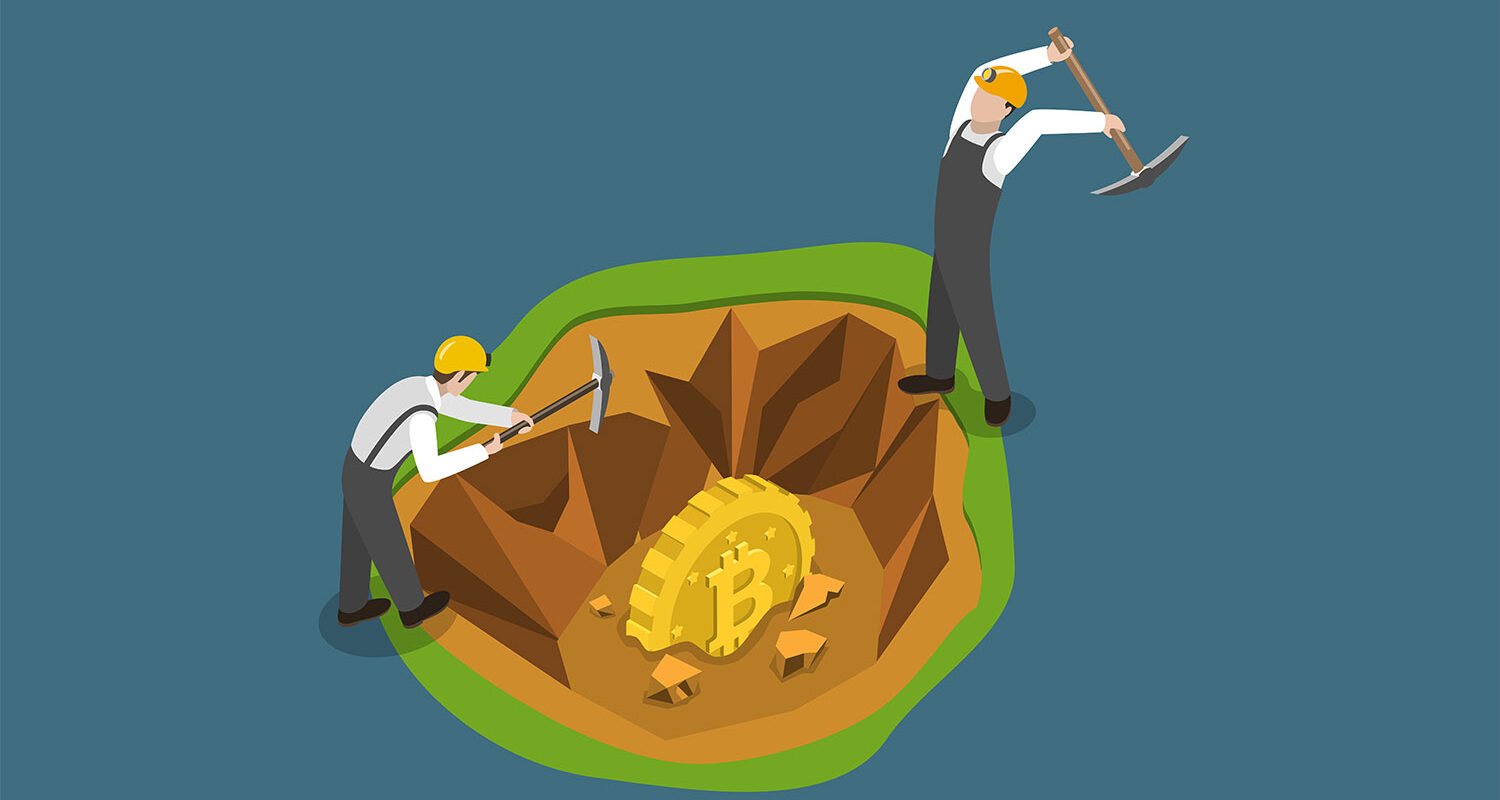
  • Provide bookkeeping services to the coin network. Mining is essentially 24/7 computer accounting called ‘verifying transactions’.
  • Get paid a small reward for your accounting services by receiving fractions of coins every couple of days.
  • Keep your personal costs down, including electricity and hardware.

As a hobby venture, yes, cryptocoin mining can generate a small income of perhaps a dollar or two per day. In particular, the digital currencies mentioned above are very accessible for regular people to mine, and a person can recoup $1000 in hardware costs in about 18-24 months.

Share:

Best known as the immutable database that runs underneath cryptocurrencies like Bitcoin and Ethereum, blockchain is poised to play a critical role in every industry imaginable as businesses seek ways to cash in on the distributed ledger technology’s promise of enabling a “trustless” consensus to validate transactions.

Earnings in the past year

Smart miners need to keep electricity costs to under $0.11 per kilowatt-hour; mining with 4 GPU video cards can net you around $8.00 to $10.00 per day (depending upon the cryptocurrency you choose), or around $250-$300 per month.

Chart shows our earnings in the past year.

Financial transactions are typically guaranteed by a trusted third party (such as PayPal) and blockchain can be used to automate that process, reducing overall costs by cutting out the middleman with autonomous smart contracts acting as trusted intermediaries between parties on the network.

Share:
There’s a lot of hype with Cryptos. Why? Because most do not know what they’re investing in and would rather listen to the crowd. What happens then? Prices crash once you’ve bought into it. Taking a loan or using all your life savings can be hugely risky, especially if you do not have the prerequisite knowledge on the tech and the coins. Be informed. Ask the right people. Arm yourself with knowledge before jumping on the hype-wagon. This would significantly reduce your risk and most importantly, position you to invest in the long-term fundamentals of the technology.

There are plenty of opportunities to make lots of money in the crypto market, and you should be patient and wise to acquire the right knowledge before investing. Don’t be the person that invests based on the current hype. Do your research first. If it’s too complex, look for answers. The cryptocurrency community is filled with awesome individuals that can simplify things and help you along the way.

Share:
It’s probably safe to assume that Bitcoin is here to stay. Yes, it’s a bit volatile and yes, other cryptocurrencies are a lot easier to mine and a lot cheaper to buy, but the ever-growing number of ways to spend bitcoins – plus the fact that it’s still around after being proclaimed dead numerous times over the past few years – is a testimony of the resilience of the world’s most popular, and polarizing, cryptocurrency.

Thing is though, this doesn’t mean that you should blindly jump into Bitcoin. Aside from the high price of entry, a string of events over the past year have shown that while the Bitcoin protocol itself may be secure, the wallets and services used to store and exchange Bitcoin may not.

Share:
UUntil relatively recently, building blockchain applications has required a complex background in coding, cryptography, mathematics as well as significant resources. But times have changed. Previously unimagined applications, from electronic voting & digitally recorded property assets to regulatory compliance & trading are now actively being developed and deployed faster than ever before. By providing developers with the tools to build decentralized applications, Ethereum is making all of this possible.

What is Ethereum for beginners?

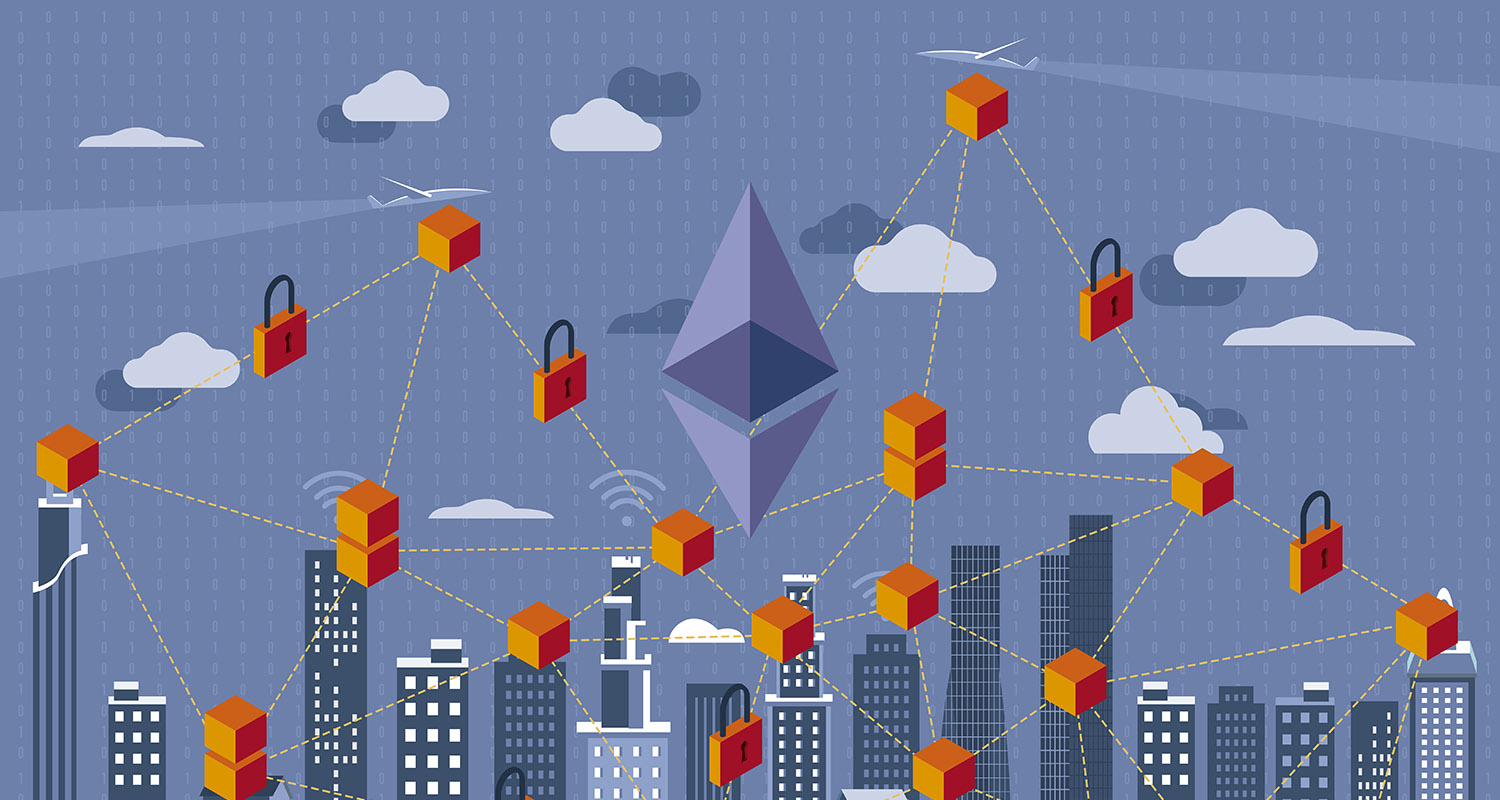
At its simplest, Ethereum is an open software platform based on blockchain technology that enables developers to build and deploy decentralized applications. Like Bitcoin, Ethereum is a distributed public blockchain network. Although there are some significant technical differences between the two, the most important distinction to note is that Bitcoin and Ethereum differ substantially in purpose and capability. Bitcoin offers one particular application of blockchain technology, a peer to peer electronic cash system that enables online Bitcoin payments. While the Bitcoin blockchain is used to track ownership of digital currency (bitcoins), the Ethereum blockchain focuses on running the programming code of any decentralized application.

Share:

If you’re a novice when it comes to cryptocurrency trading, there’s a lot you need to learn if you want to be successful. If you’re new to the financial markets completely, you definitely need to learn the ropes – just to make sure you don’t make any otherwise avoidable mistakes.

What Is A Bear Trap

Today, we’re going to talk about a common occurrence in the Bitcoin markets – the bear trap.

Bulls & Bears Markets

Just like any financial market, the Bitcoin market undergoes ups and downs. In fact, Bitcoin (and other cryptocurrencies) can be even more volatile than, say, the stock markets. The trick is reading these upwards and downwards movements and see them for what they are.

You’ve probably heard of the idea of “bull” markets and “bear” markets. The terms indicate market conditions that are either aggressive when it comes to increased value – bullish – or predictive of falling value – bearish.

Share:
Blockchain is one of the most popular Bitcoin wallets. Accessing this wallet can be done from any browser or smartphone. Blockchain.info provides two different additional layers. For the browser version, users can enable two-factor authentication, while mobile users can activate a pin code requirement every time the wallet application is opened.

Use this straightforward guide to learn what a cryptocurrency wallet is, how they work and discover which ones are the best on the market.

What is a Cryptocurrency Wallet?

A cryptocurrency wallet is a software program that stores private and public keys and interacts with various blockchain to enable users to send and receive digital currency and monitor their balance. If you want to use Bitcoin or any other cryptocurrency, you will need to have a digital wallet.

Share:

It’s been a tumultuous week for bitcoin. After dropping 20 percent in value last week, the digital currency topped $12,000 on Tuesday, reached $15,000 by early on Wednesday and, on Thursday, rocketed above $19,000 before falling and settling around $16,000 in the early afternoon.

Financial experts seem to agree: It’s volatile. CNBC’s Jim Cramer and self-made millionaire Tony Robbins both compared investing in it to gambling in Vegas. Billionaire Mark Cuban said buying the currency would be like “throwing a Hail Mary.”

But if you decide to take that risk and put some money into it, where can you even spend bitcoin?

A lot of places, but not everywhere

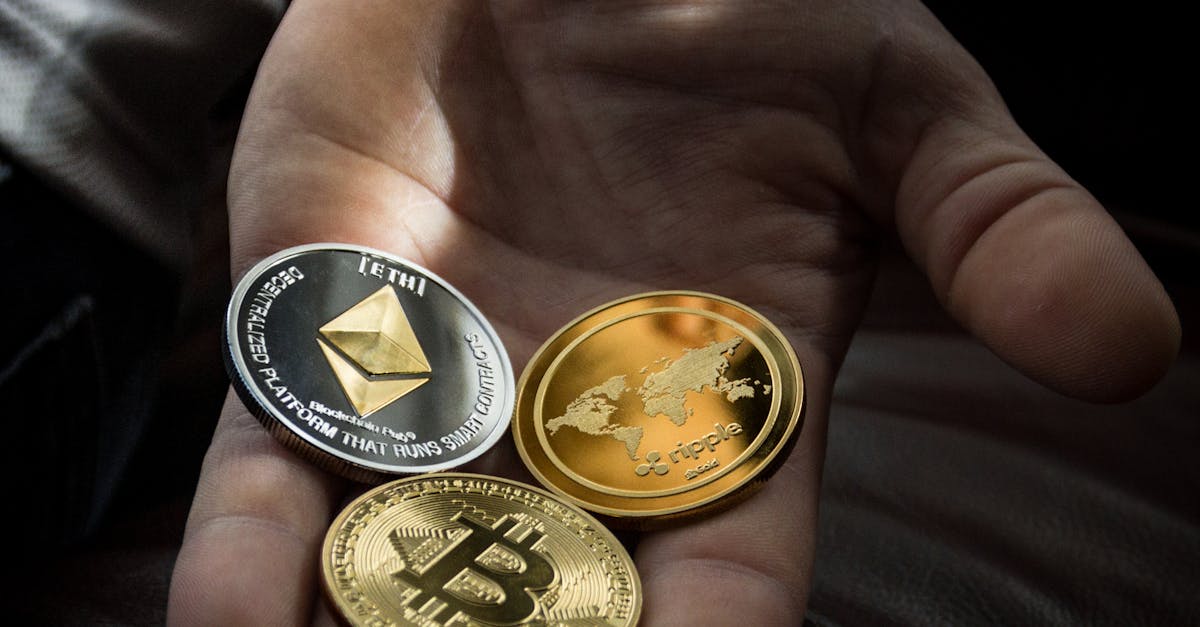
Over 100,000 merchants worldwide accept bitcoin. Notable ones include Microsoft and Expedia, as well as the online electronics retailer Newegg.

 Considering that bitcoin is a digital currency, it’s more rare for actual stores to accept it as a payment method. But, as CoinDesk points out, some business are beginning to, such as REEDS Jewelers, which has over 60 retail locations in eastern U.S.

Speaking of Vegas, the Golden Gates Hotel & Casino there accepts bitcoin payments at their hotels and restaurants but not yet for bets on the casino floor.

Share:

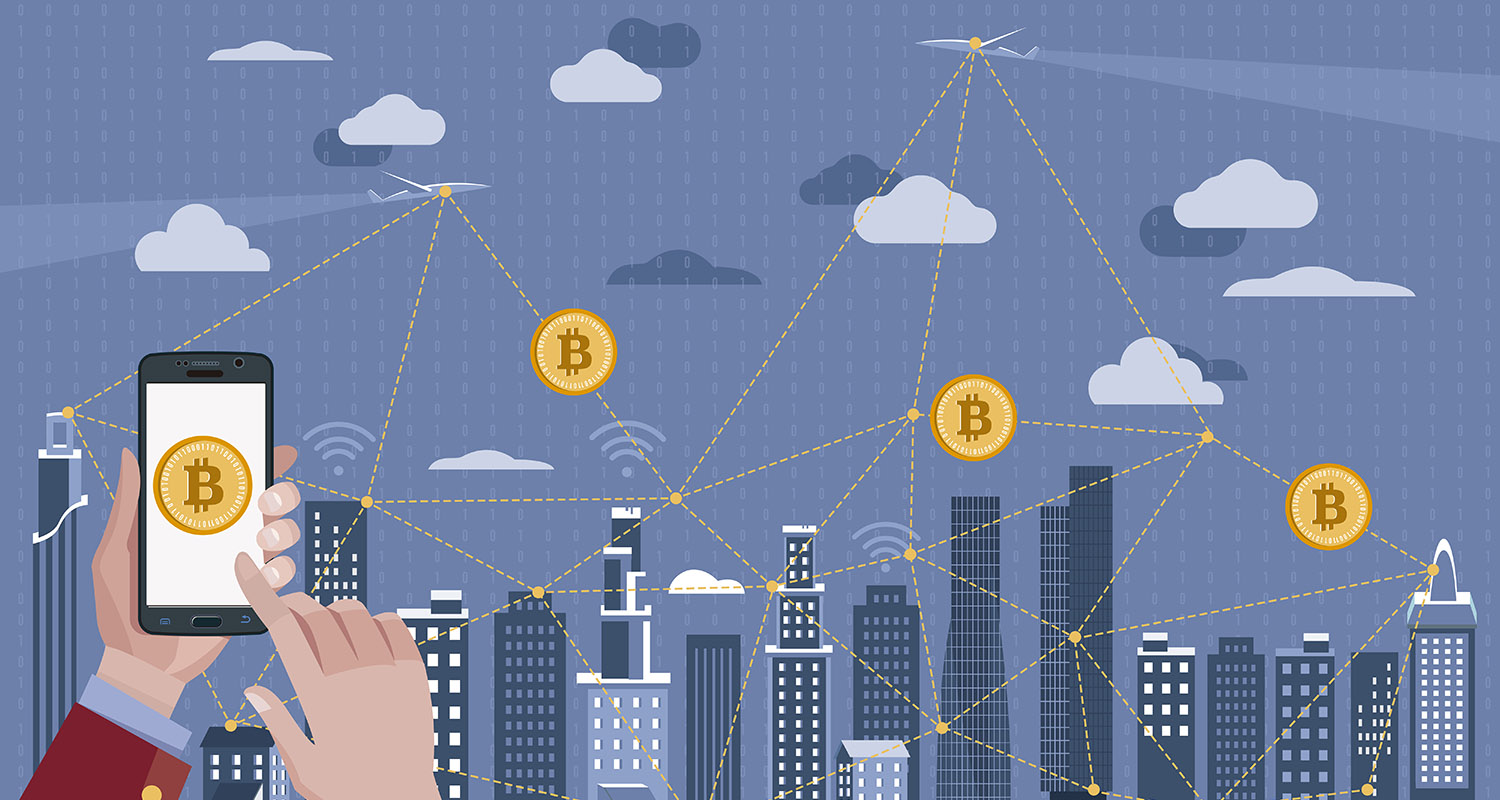
A blockchain,[1][2][3] originally block chain,[4][5] is a continuously growing list of records, called blocks, which are linked and secured using cryptography.[1][6] Each block typically contains a cryptographic hash of the previous block,[6] a timestamp and transaction data.[7] By design, a blockchain is inherently resistant to modification of the data. It is “an open, distributed ledger that can record transactions between two parties efficiently and in a verifiable and permanent way”.[8] For use as a distributed ledger, a blockchain is typically managed by a peer-to-peer network collectively adhering to a protocol for validating new blocks. Once recorded, the data in any given block cannot be altered retroactively without the alteration of all subsequent blocks, which requires collusion of the network majority.

Page 1 of 212