Caution on Bitcoin Double Top, But a Full-Blown Price Crash Seems Unlikely, Sygnum Bank’s Tischhauser Says
Bitcoin’s potential double top formation above $100,000 raises concerns, but a 2022-style crash seems unlikely barring unforeseen events, according to Sygnum’s Katalin Tischhauser. While technical analysis suggests caution, a significant downturn requires a catalyst like the Terra or FTX collapses. Current regulatory support and sustained institutional investment suggest a prolonged bull cycle is more probable.
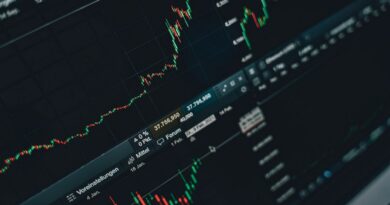
Bitcoin has traded between $100,000 and $110,000 for 50 days, indicating potential exhaustion of the uptrend. This double top pattern, with peaks near $110,000 and a low point around $75,000 in early April, worries analysts. A breakdown could trigger a crash to approximately $27,000—a 75% drop. While technical patterns can be self-fulfilling, a 75% crash rarely stems solely from technicals.
The 2022 crash resulted from the Fed’s rate hikes exposing excessive speculation in crypto, culminating in the Terra and FTX failures. This current bull run, however, is driven by institutional flows rather than speculative narratives. Since their January 2024 Nasdaq debut, 11 spot Bitcoin ETFs have seen over $48 billion in net inflows. Corporate adoption is also increasing; 141 public companies now hold 841,693 BTC.
This institutional investment, characterized by thorough due diligence and long-term allocation, makes the current bull market more resilient. These investments absorb liquidity, amplifying the impact of new buyers on price. The resulting demand provides significant price support.
The traditional post-halving bear market scenario may not apply. While the halving event in April 2024 reduced the per-block reward, institutional adoption now outweighs miner influence. Miners’ BTC sales are a negligible portion of daily trading volume, rendering the halving’s impact on supply and demand minimal. The shift in market leadership suggests the four-year halving cycle may no longer be a reliable predictor of market trends.