ETH Price Dips Below $2,500 on Whale Exit Fears, Then Bounces Back Above Key Level
Ethereum (ETH) experienced a significant price drop in late trading, falling below the $2,500 mark. This decline was fueled by increased selling volume and a broader weakening of risk sentiment in the market. Global trade tensions and the resurgence of U.S. tariff concerns triggered a risk-off sentiment, causing digital assets to mirror the behavior of traditional markets in response to geopolitical uncertainties.
On-chain data revealed substantial inflows of ETH into centralized exchanges, with a notable transfer of 385,000 ETH to Binance. This movement has fueled speculation that institutional investors may be reducing their ETH holdings. While ETH has shown a slight recovery, trading around $2,506, market analysts are closely monitoring whether buyers can maintain support at this level or if further price declines are likely.
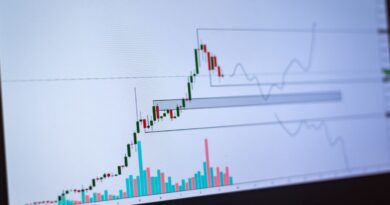
Technical analysis indicates a volatile trading range for ETH, fluctuating within $48.61 (1.95%) between $2,551.09 and $2,499.09. Prior to the downturn, price action followed a bullish ascending channel pattern. However, heavy selling pressure near $2,550 triggered profit-taking, leading to a sharp price reversal. A particularly intense sell-off occurred between 01:53 and 01:54, with a combined volume exceeding 48,000 ETH within two minutes. Following this surge in selling, volume normalized, and the price saw a minor recovery, consolidating around $2,504–$2,508.
The $2,500 level now serves as a crucial interim support level for ETH. However, the current momentum remains fragile, with indicators suggesting ongoing distribution in recent volume patterns. Market observers are referencing recent articles such as “Ethereum Price Analysis: Is ETH Dumping to $2K Next as Momentum Fades?”, published by CryptoPotato on May 31, 2025, and “Ethereum Bulls Defend Support – Key Indicator Hints At Short-Term Rally”, published by NewsBTC on the same date, to gain further insight into potential short-term price movements. The situation warrants close observation to determine if buyers can successfully defend the current support level or if a more substantial price correction is imminent.