What Next For XRP as $2.75 Level Holds After Sharp Decline From $3
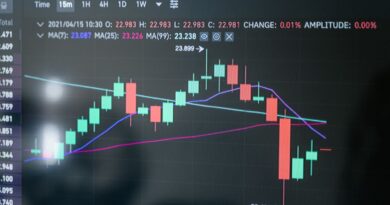
XRP experienced a significant price drop of nearly 9% in the 24-hour period ending August 3rd, 04:00 UTC+7, declining from $3.02 to a low of $2.75 before a slight recovery to $2.82. This sharp decrease was primarily attributed to substantial institutional selling pressure, with trading volumes during the peak selling period exceeding the daily average by 183%.
The most intense selling occurred between 14:00 and 18:00 on August 2nd, reaching a volume of 222.24 million—a stark contrast to the 24-hour average of 78.52 million. The price found short-term support at $2.75 on this high volume, suggesting potential capitulation. However, recovery attempts stalled around $2.84, resulting in a closing price of $2.82, indicating consolidation below key resistance levels. Volume-weighted average price suggests potential accumulation interest below $2.80, though this requires further confirmation.
This XRP downturn coincided with escalating global trade tensions and renewed tariff uncertainties impacting broader risk markets. Institutional investors seemed to be rebalancing portfolios, shifting capital away from altcoins towards more liquid assets in response to macroeconomic conditions. Analysts cite central bank adjustments and increased geopolitical risks as contributing factors to the overall market sell-off.
Technical analysis reveals a volume climax at $2.75, coinciding with XRP’s steepest hourly decline—a classic indicator of a potential local bottom. The $2.75–$2.76 range now acts as initial support, while resistance remains near $2.84. The significant drop in trading volume in the final hour, from a peak of 3.7 million/minute to approximately 650,000/minute, suggests either buyer fatigue or neutral market sentiment following the price plunge.
The key focus for traders is whether XRP can maintain its position above $2.75–$2.76 and establish a base for recovery. Failure to reclaim levels above $2.85 could signal further price declines. Monitoring institutional inflows and outflows from exchanges will provide crucial insights into accumulation trends. Traders are also paying close attention to CD20 Index volatility and macroeconomic headlines, especially U.S.-China trade developments, for short-term market signals.