

U.S. CPI Rose Less Than Expected 0.2% in April; Annual Pace Slips to Four-Year Low
Inflation Slowdown in April: A Detailed Look at CPI Data
The Bureau of Labor Statistics (BLS) reported a continued easing of inflation in April, marking the slowest year-over-year increase in over four years. The headline Consumer Price Index (CPI) rose by 0.2% for the month, slightly below economists’ predictions of 0.3% and a notable improvement from the -0.1% decrease seen in March. This translates to a year-over-year CPI increase of 2.3%, the lowest rate since February 2021, again underperforming the anticipated 2.4% and matching March’s figure.
The core CPI, which excludes volatile food and energy prices, also showed a moderation in its growth. April’s core CPI rose by 0.2%, exceeding March’s 0.1% increase but remaining below the projected 0.3%. This translates to a year-over-year core CPI increase of 2.8%, consistent with March’s rate and meeting economists’ forecasts.
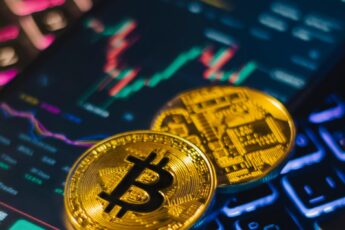
The relatively subdued inflation numbers had a noticeable impact on financial markets. Bitcoin, already experiencing modest overnight gains, saw a further increase, trading at approximately $103,800 shortly after the CPI data release. U.S. stock index futures initially showed minor losses but quickly transitioned to small gains following the announcement. The 10-year Treasury yield also reacted, dipping by one basis point to 4.44%.
This data suggests a persistent, albeit gradual, deceleration in inflation. While the month-over-month increase in both headline and core CPI indicates some ongoing inflationary pressure, the year-over-year figures clearly demonstrate a significant slowing compared to recent periods. The market response reflects a generally positive interpretation of the report, with investors seemingly encouraged by the continued decline in the rate of inflation.
However, it is crucial to consider the data in context. While the slowdown is encouraging, inflation remains above the Federal Reserve’s target. Furthermore, the relatively modest month-over-month increases suggest that the disinflationary process might be uneven and subject to future fluctuations. Ongoing monitoring of economic indicators will be essential for accurately assessing the trajectory of inflation in the coming months. Further analysis is needed to determine whether this represents a sustained trend or a temporary blip. The interplay between various economic factors will ultimately dictate the future course of inflation and its broader impact.