

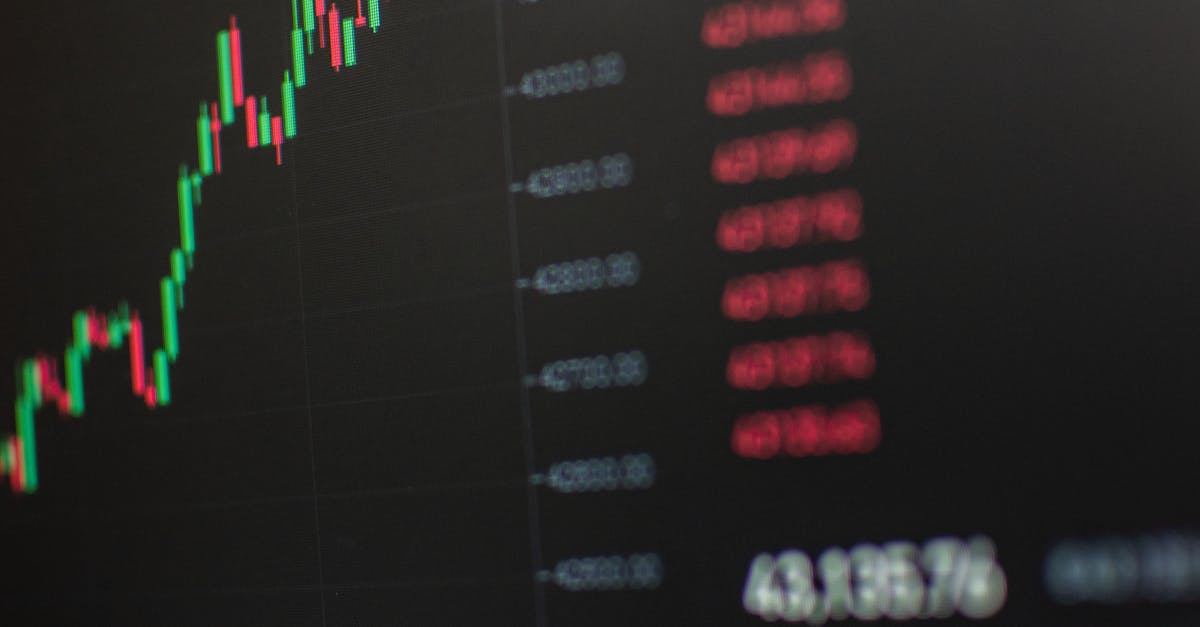
The cryptocurrency market experienced a slight downturn, with XRP leading the losses at over 4% in the past 24 hours. This follows a sharp rally last week, and the broader market is currently consolidating. Bitcoin remains above $104,000, but faces resistance at $105,000, a level considered both psychologically and technically significant. The total cryptocurrency market capitalization dipped 2% to $3.3 trillion, according to CoinGecko. Ethereum (ETH) and Solana (SOL) are also pausing near their 200-day moving averages, a potential indication of consolidation or a short-term pullback.
Market analysts offer differing perspectives. Alex Kuptsikevich of FxPro notes Bitcoin’s seven-day topping pattern, suggesting an impending correction, particularly considering slippage in equities and profit-taking in gold. The Crypto Fear & Greed Index dropped slightly from 73 to 70, remaining in “greed” territory but signaling fading momentum.
Augustine Fan of SignalPlus suggests a continued upward trend unless equities decline. However, he anticipates Bitcoin’s struggle against the $105,000 resistance level, while Ethereum may benefit more in the short term. Fan highlights a macro shift favoring crypto assets, driven by investors seeking to hedge against geopolitical and currency risks. This “anti-dollar” sentiment is viewed as a structural shift, with capital increasingly flowing into emerging markets, precious metals, and cryptocurrencies.
K33 Research attributes Bitcoin’s recent rally to spot market demand, rather than excessive leverage. This underlying buying pressure, notably from retail investors and Asia-based wealth managers, could maintain bullish sentiment despite near-term range-bound price action.
LVRG Research’s Nick Ruck suggests the market lull is due to caution preceding upcoming macroeconomic data and concerns over the long-term consequences of recent U.S. trade deals. Anticipated volatility related to future reports, coupled with consumer inflation fears impacting spending, contributes to this cautious outlook. While the trade deals push prices higher, concerns about the long-term effects of tariffs persist. The market currently awaits a decisive move to establish a clear directional trend.